European CSO Network discusses sustainability, competitiveness and value creation
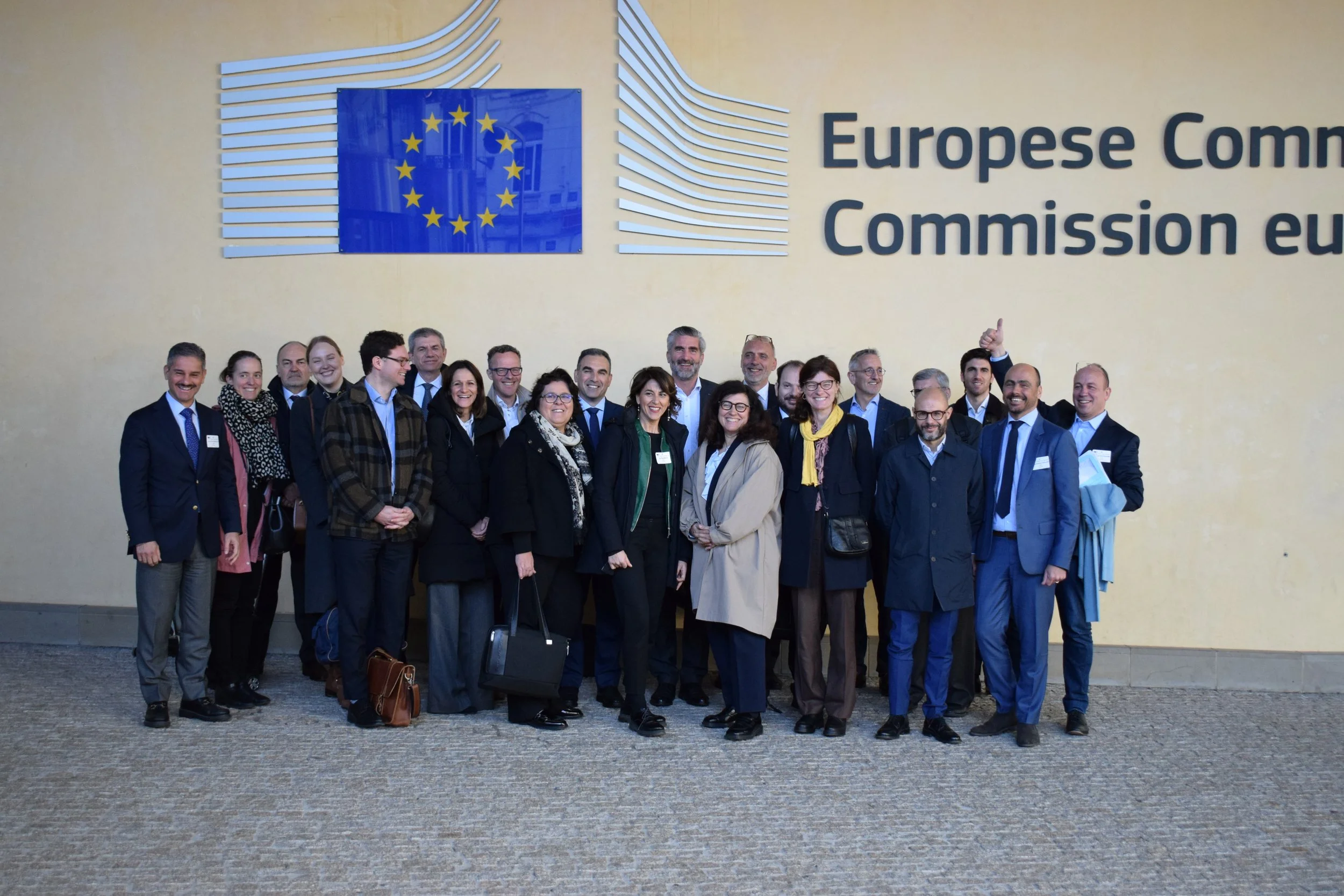
The European CSO Network recently met with Mr Arthur Corbin to exchange views on how Europe can ensure sustainability delivers for industry in a rapidly changing environment. The discussion was guided by the Network’s working paper, Sustainability for Value Creation and Competitiveness, and focused on the policy and market conditions needed to make sustainable transformation work in practice.
At a time of economic uncertainty, geopolitical shifts and growing pressure on European industry, the European CSO Network convened with Mr Arthur Corbin for a timely discussion on the future of sustainable competitiveness in Europe.
The exchange was grounded in the Network’s working paper, Sustainability for Value Creation and Competitiveness, which outlines recommendations for ensuring that sustainability remains a strategic driver of resilience, innovation and long-term industrial performance. The discussion brought together insights from sustainability practitioners and industry representatives on how EU policy can better support implementation on the ground.
A key theme of the conversation was the need for greater simplification, coherence and alignment across the sustainability policy landscape. Participants highlighted that while the EU has set an ambitious direction, businesses continue to face overlapping requirements and persistent Single Market barriers, many of which emerge at Member State level. Addressing this fragmentation will be important to ensure that sustainability frameworks are not only ambitious, but also workable and effective.
Participants also emphasised the importance of moving beyond a compliance-led approach towards one centred on value creation. Sustainability should function as a strategic enabler of competitiveness, rewarding frontrunners and supporting companies that invest early in innovation, decarbonisation and resilience. Creating the right framework conditions will be essential to scale sustainable business models and strengthen Europe’s industrial base.
The discussion also pointed to continued barriers to circularity across Europe. In particular, the lack of harmonised waste definitions, uncertainty around end-of-waste status and limited legal clarity for secondary raw materials continue to slow down the development of circular supply chains. Unlocking circularity at scale will require a more enabling and predictable regulatory environment across Member States.
Another important area raised was the role of finance and market incentives in accelerating the transition. Participants stressed the need for stronger alignment between financial flows and policy objectives, including the more strategic use of ETS revenues. Public procurement was also identified as a critical lever to help create demand for decarbonised and circular products, sending clearer market signals to businesses and investors.
The meeting also underlined the value of closer collaboration between Chief Sustainability Officers and Chief Financial Officers. Strengthening the financial narrative around sustainability is increasingly necessary to engage shareholders, customers and investors, and to embed sustainability more firmly within core business strategy and decision-making.
The discussion reaffirmed the importance of continued dialogue between business leaders, sustainability practitioners and policymakers to help shape an EU policy framework that supports both competitiveness and long-term value creation.
CSR Europe thanks all participants for this constructive and solutions-oriented exchange.
These conversations will continue at the European Sustainable Industry Summit, which will provide an important opportunity to connect the evolving architecture of EU sustainable industrial policy with business experience and practical recommendations for implementation.
Register for the European Sustainable Industry Summit now
LATEST NEWS