High-Level Plenary: Day 1
Europe's Industrial Reset
A new mandate for sustainability leadership
11:05 - 12:30 | 13 October 2026
Context
Europe has entered a decade defined by climate and geopolitical disruption. For Chief Executive Officers (CEOs) and Chief Sustainability Officers (CSOs), the question is no longer whether sustainability matters, but how quickly it can be transformed into strategic value.
The European Sustainable Industry Summit 2026 starts from a clear premise: sustainability is not a compliance exercise; it is a driver of resilience, competitiveness and long‑term growth.
Rising energy volatility, increasing water scarcity, and fragile global value chains are reshaping the operating environment for European industry. These pressures expose structural vulnerabilities while also revealing where future industrial leadership will emerge. Companies that embed energy efficiency, water stewardship, circularity, and responsible supply chains into their core strategy will be best positioned to outperform.
Europe must secure its strategic autonomy by accelerating the transformation of its industrial base. Greater investment in decarbonisation, resource efficiency and supply chain stability is needed to position Europe as a global leader in low-carbon technologies, resilient supply chains, and sustainable production systems.
This shift is anchored in Europe’s long-term commitment to achieving net-zero emissions by 2050. The central challenge is no longer defining the destination, but building a credible, scalable business case to reach it, one that aligns sustainability with enduring market leadership.
ABOUT THE PLENARY
Day 1 focused on the industrial foundations of the sustainability transition: materials, energy, and water. These resources are central to how companies produce, operate, and build resilient value chains.
As industries adapt to new economic and environmental realities, companies are exploring how circular material flows, energy transformation, and smarter resource management can strengthen operational performance while supporting long-term sustainability goals.
The High-Level Plenary examined how businesses and policymakers can work together to create the conditions for this transition. Discussions focused on aligning industrial strategy, market incentives, and policy frameworks to support sustainable production systems across Europe.
Key priorities for discussion included:
Strengthening resilience in industrial supply chains
Scaling circular approaches to materials and production
Advancing the energy transition across industrial sectors
Improving water stewardship and resource management
Building partnerships that support sustainable value chains
Through these discussions, participants explored how companies can translate sustainability commitments into operational improvements, innovation opportunities, and stronger long-term competitiveness.
Who should attend
CEOs and C-Suite Leaders
EU Policymakers and Institutional Representatives
Chief Sustainability Officers and Strategy Leaders
Civil Society and Industry Organisations
agenda
| Time (CEST) | Session | Speakers |
|---|---|---|
| 11:05 - 11:15 | Opening Remarks |
Monica Pérez Lobo Vice President Sustainability, Toyota Motor Europe & Chair of CSR Europe Board |
| 11:15 - 11:40 |
Fireside Chat
"Competing in a new industrial era: make sustainability your most powerful business tool" |
Michele Fracchiolla President and CEO, Hitachi Kurt Vandenberghe Director-General Climate Action (DG CLIMA), European Commission |
| 11:40 - 12:25 |
High-level Panel Discussion
"Advancing industrial competitiveness through sustainable innovations and collaboration" + Q&A Moderator: Chris Coulter CEO, GlobeScan |
Patrizia Heidegger Deputy Secretary General, European Environmental Bureau Sophia Chrysopoulou Head of EU Public Affairs, The Coca-Cola Company Alois Mhlanga Director of UNIDO’s Division of Climate Innovation and Montreal Protocol |
| 12:25 - 12:30 | Conclusion |
Agnieszka Skorupinska Senior Manager EU Affairs Sustainability, Hitachi Europe Ltd |
About the Summit
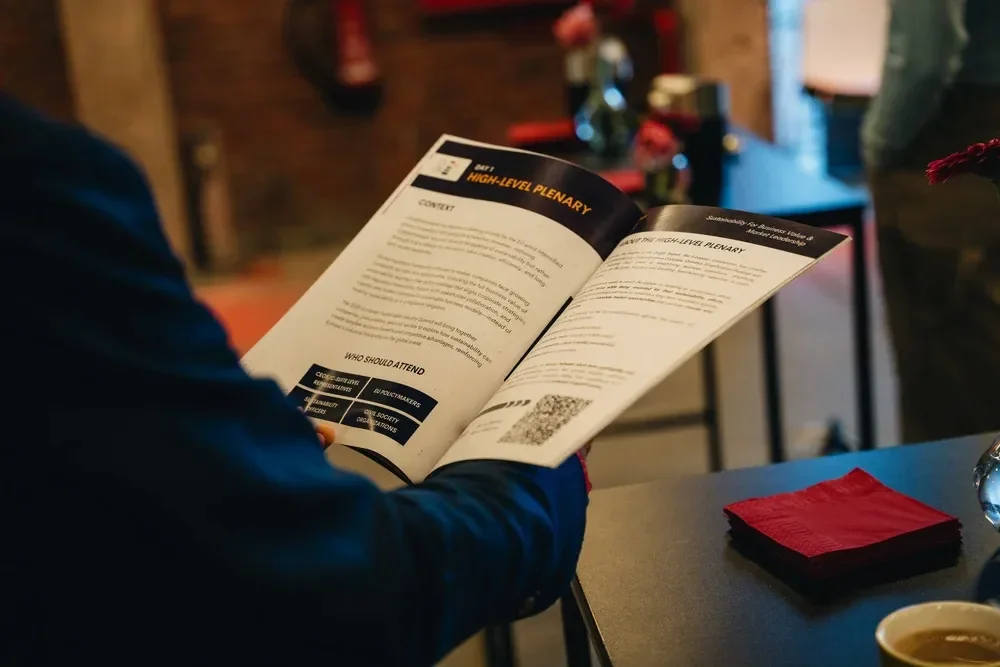
On 13-14 October, over 200 stakeholders from the industry, European institutions, and civil society organisations came together in Brussels, Belgium.
Collectively, they defined the path forward for industries to turn sustainability into business value.
Competitiveness has become a defining priority for Europe amid intensified global competition and geopolitical tensions. For European industry, the challenge is no longer only how to meet sustainability requirements, but how to translate sustainability into stronger industrial performance, resilient supply chains, and long-term market advantage.
Many companies have spent the past years preparing for new regulatory expectations. The next phase is about turning these efforts into tangible business value by strengthening resource systems, accelerating the energy transition, and building market demand for sustainable products.
This transition requires collaboration across industry, finance, and policy to ensure that sustainability drives innovation, investment, and competitiveness across the European economy.